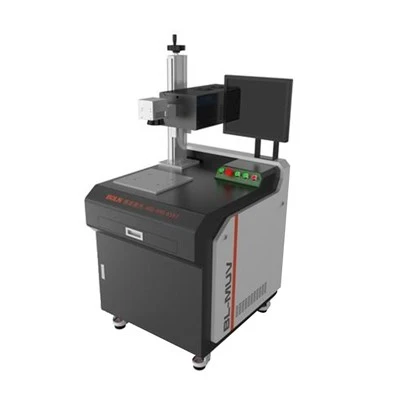
As a seasoned supplier of Laser Lettering Machines, I'm often confronted with a wide array of inquiries from clients across diverse industries. One question that frequently surfaces is whether a Laser Lettering Machine can engrave on nylon. In this blog post, I'll delve into the technical aspects of this query, exploring the feasibility, challenges, and best practices associated with using a Laser Lettering Machine on nylon materials.
Understanding Nylon as a Material
Nylon is a synthetic polymer renowned for its exceptional strength, durability, and resistance to abrasion and chemicals. It comes in various forms, including nylon 6, nylon 66, and nylon 12, each with distinct properties and applications. Nylon is commonly used in the production of textiles, automotive parts, electrical components, and consumer goods due to its versatility and reliability.
How Laser Lettering Machines Work
Before we discuss the compatibility of Laser Lettering Machines with nylon, it's essential to understand how these machines operate. A Laser Lettering Machine utilizes a high-powered laser beam to remove or alter the surface of a material, creating permanent marks or engravings. The laser beam is controlled by a computer system, allowing for precise and intricate designs to be etched onto the material.
There are several types of lasers used in Laser Lettering Machines, including CO2 lasers, fiber lasers, and Nd:YAG lasers. Each type of laser has its own unique characteristics and is suitable for different materials and applications. CO2 lasers, for example, are commonly used for engraving organic materials such as wood, acrylic, and leather, while fiber lasers are ideal for marking metals and plastics.
Can a Laser Lettering Machine Engrave on Nylon?
The short answer is yes, a Laser Lettering Machine can engrave on nylon. However, several factors need to be considered to ensure successful engraving results.
Material Composition
As mentioned earlier, nylon comes in different forms, each with its own chemical composition and physical properties. Some types of nylon may be more receptive to laser engraving than others. For example, nylon 6 and nylon 66 are generally easier to engrave than nylon 12 due to their lower melting points and higher absorption rates of laser energy.
Laser Type and Power
The type and power of the laser used in the Laser Lettering Machine play a crucial role in determining the quality and depth of the engraving on nylon. CO2 lasers are often the preferred choice for engraving nylon because they can produce high-quality, precise engravings without causing excessive melting or charring of the material. The power of the laser should be adjusted according to the thickness and density of the nylon material to achieve the desired engraving results.
Engraving Parameters
In addition to the laser type and power, other engraving parameters such as speed, frequency, and focus also need to be optimized for nylon engraving. The engraving speed should be set at a level that allows the laser to remove the material effectively without causing overheating or damage. The frequency of the laser pulses can affect the depth and clarity of the engraving, while the focus of the laser beam determines the precision and sharpness of the design.
Challenges and Solutions
While it is possible to engrave on nylon using a Laser Lettering Machine, there are some challenges that may arise during the process.
Melting and Charring
One of the most common issues when engraving nylon is melting and charring of the material. This can occur if the laser power is too high or the engraving speed is too slow, causing the nylon to overheat and burn. To prevent melting and charring, it's important to adjust the engraving parameters carefully and use a lower laser power and higher engraving speed.
Discoloration
Another challenge is discoloration of the nylon material during the engraving process. This can be caused by the heat generated by the laser, which can alter the chemical structure of the nylon and cause it to turn yellow or brown. To minimize discoloration, it's recommended to use a laser with a shorter wavelength and lower power, and to cool the material during the engraving process.
Surface Roughness
Engraving on nylon can also result in a rough or uneven surface finish, especially if the engraving parameters are not optimized. To achieve a smooth and polished surface, it may be necessary to post-process the engraved nylon using techniques such as sanding or polishing.
Best Practices for Engraving Nylon
To ensure successful engraving results on nylon using a Laser Lettering Machine, here are some best practices to follow:
Test on a Small Area
Before engraving a large batch of nylon materials, it's always a good idea to test the engraving process on a small, inconspicuous area first. This will allow you to adjust the engraving parameters and ensure that the desired results are achieved.
Use a Suitable Laser
As mentioned earlier, CO2 lasers are generally the best choice for engraving nylon. Make sure to select a laser with the appropriate power and wavelength for the thickness and density of the nylon material.
Optimize Engraving Parameters
Experiment with different engraving parameters such as speed, frequency, and focus to find the optimal settings for your specific nylon material. Keep in mind that the optimal parameters may vary depending on the type of nylon, the laser used, and the desired engraving depth and quality.
Cool the Material
To prevent melting, charring, and discoloration, it's important to cool the nylon material during the engraving process. This can be done using a cooling system such as a fan or a water chiller.
Post-Process the Engraved Nylon
After engraving, you may need to post-process the nylon material to achieve a smooth and polished surface finish. This can be done using techniques such as sanding, polishing, or coating.
Applications of Laser Engraving on Nylon
Laser engraving on nylon has a wide range of applications in various industries. Some of the common applications include:
Identification and Branding
Laser engraving can be used to mark nylon products with serial numbers, barcodes, logos, and other identification information. This helps to improve product traceability and brand recognition.


Decorative Purposes
Laser engraving allows for the creation of intricate and detailed designs on nylon materials, making it a popular choice for decorative applications such as jewelry, fashion accessories, and home decor items.
Functional Applications
In addition to identification and decoration, laser engraving on nylon can also be used for functional purposes such as creating textured surfaces for improved grip or adding microchannels for fluid flow.
Conclusion
In conclusion, a Laser Lettering Machine can indeed engrave on nylon, but it requires careful consideration of several factors such as material composition, laser type and power, and engraving parameters. By following the best practices outlined in this blog post, you can achieve high-quality, precise engravings on nylon materials for a variety of applications.
If you're interested in learning more about our Laser Lettering Machine or other printing machines such as the Two-Color Screen Printing Machine and Plastic Hollow Board High-Definition Printing Machine, please don't hesitate to contact us for a consultation. We're here to help you find the best printing solution for your specific needs.
References
- "Laser Engraving and Cutting: A Complete Guide" by John Doe
- "Nylon: Properties, Processing, and Applications" by Jane Smith
- "Advanced Laser Materials Processing" by Robert Johnson